loader image

Global Wildfire Collective

Fire Modeling Literacy for Risk-Informed Decision Making

Fire Modeling Literacy for Risk-Informed Decision Making

by
1679 1679 people viewed this event.

As wildfires grow in scale and complexity, the models we use to understand them must be equally diverse. From predicting fire spread in threatened communities to projecting century-long shifts in forest composition, fire science relies on computational approaches tailored to vastly different questions, scales, and stakeholders.

Online Workshop: June 24–25, 2026 

Day 1: 8:00 AM – 10:00 AM Pacific (UTC-7)

Day 2: 8:00 AM– 10:00 AM Pacific (UTC-7)

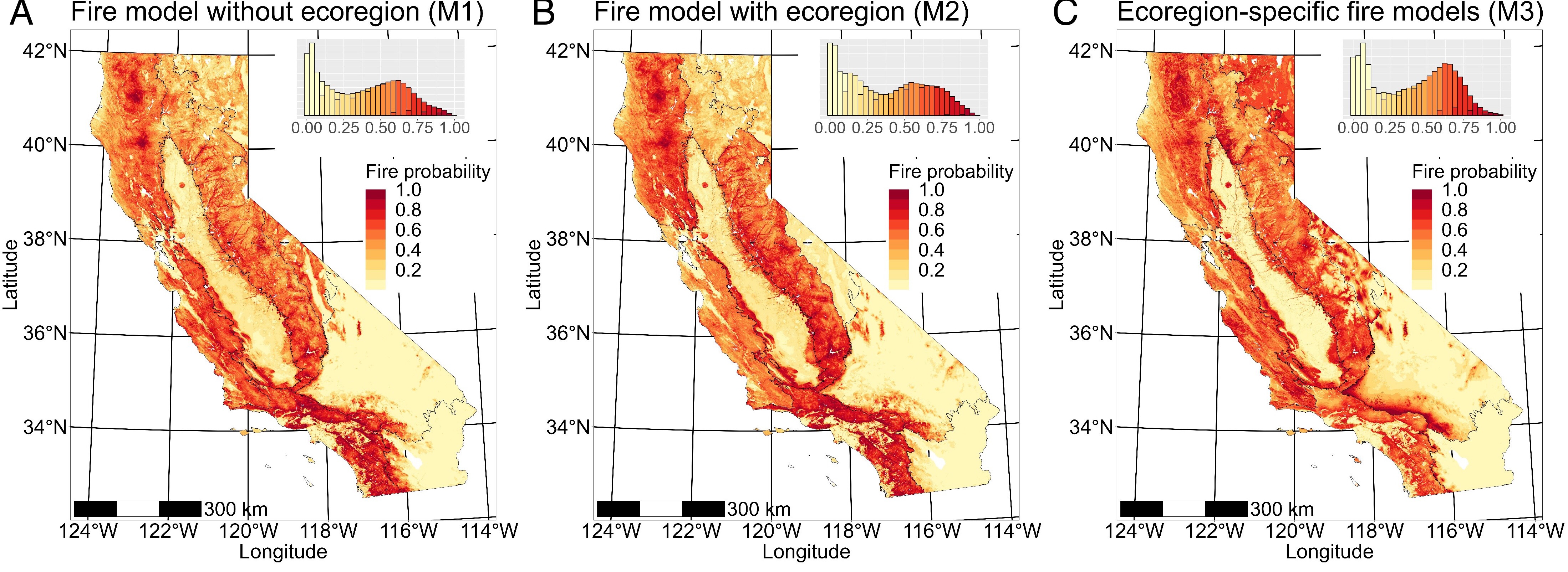
This June, join Dr. Alexandra Syphard as she pulls back the curtain on the use of fire modeling frameworks—revealing not just what each approach can accomplish, but where its limits lie and why those boundaries matter. Through comparative case studies, this workshop will illuminate a fundamental truth of fire science: there is no single “best” model, only tools matched—or mismatched—to the problems we’re trying to solve.

During this 2-day, 4-hour workshop, participants will:

• Establish a shared vocabulary for fire and fire modeling across sectors

• Be introduced to ignition, spread, and simulation modeling frameworks

• Build foundational literacy in modeling uncertainty (parameter, structural, scenario)

• Strengthen interpretation of probabilistic outputs and ensemble results

• Improve decision framing under uncertainty

Whether you’re looking to use science-based modeling to mitigate risks to your organization, a researcher seeking methodological insights, a fire operations professional seeking decision-support tools, or a policymaker navigating risk and resilience strategies, this session offers a rare opportunity to understand how model choice shapes what we can know about fire’s past, present, and future.

Meet Your Instructor
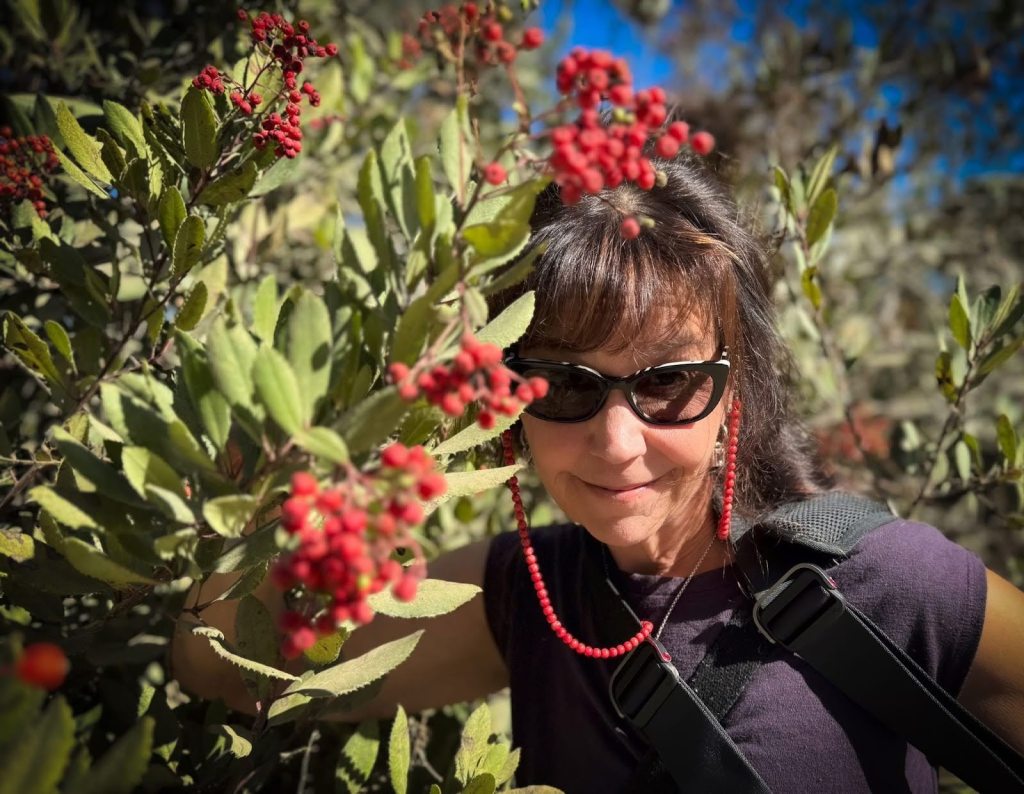
Dr. Alexandra Syphard is a global change and wildfire research scientist with deep expertise in pyrogeography, landscape ecology, conservation biology, and wildland-urban interface dynamics. With more than 150 scientific publications and nearly three decades of spatial modeling experience, she brings a rare combination of academic rigor, applied modeling expertise, and real-world decision relevance to her teaching. Her modeling work spans statistical and machine learning approaches, dynamic simulation modeling, spatial risk assessment, and decision-support tools, all grounded in the geographic and landscape-scale thinking that shapes how fire risk is understood and acted upon. Dr. Syphard has worked across academic, conservation, policy, and industry contexts, including serving as chief scientist for development of a wildfire catastrophe model in the insurance sector. She is a recognized expert on fire regimes, WUI growth, community vulnerability, and the social and ecological dimensions of wildfire.

This training is for the global fire community — so we’ve made it affordable everywhere.

We’re offering discount codes to make this training accessible across country income levels (according to the latest World Bank country income classification):⁣

Upper-middle income: 50% (code 50FMLP)⁣
Lower-middle income: 75% (code 75FMLP)⁣
Low-income: 90% (code 90FMLP)⁣
Limited fee waivers available; contact us if needed

  • Note: This workshop will be taught in the English language, however Zoom automated translated captioning will be available.


Date And Time

2026-06-24 @ 08:00 to
2026-06-25 @ 10:00
 

Registration End Date

2026-06-25
 

Location

Online event
 

Event Types


Event Category

Share With Friends