


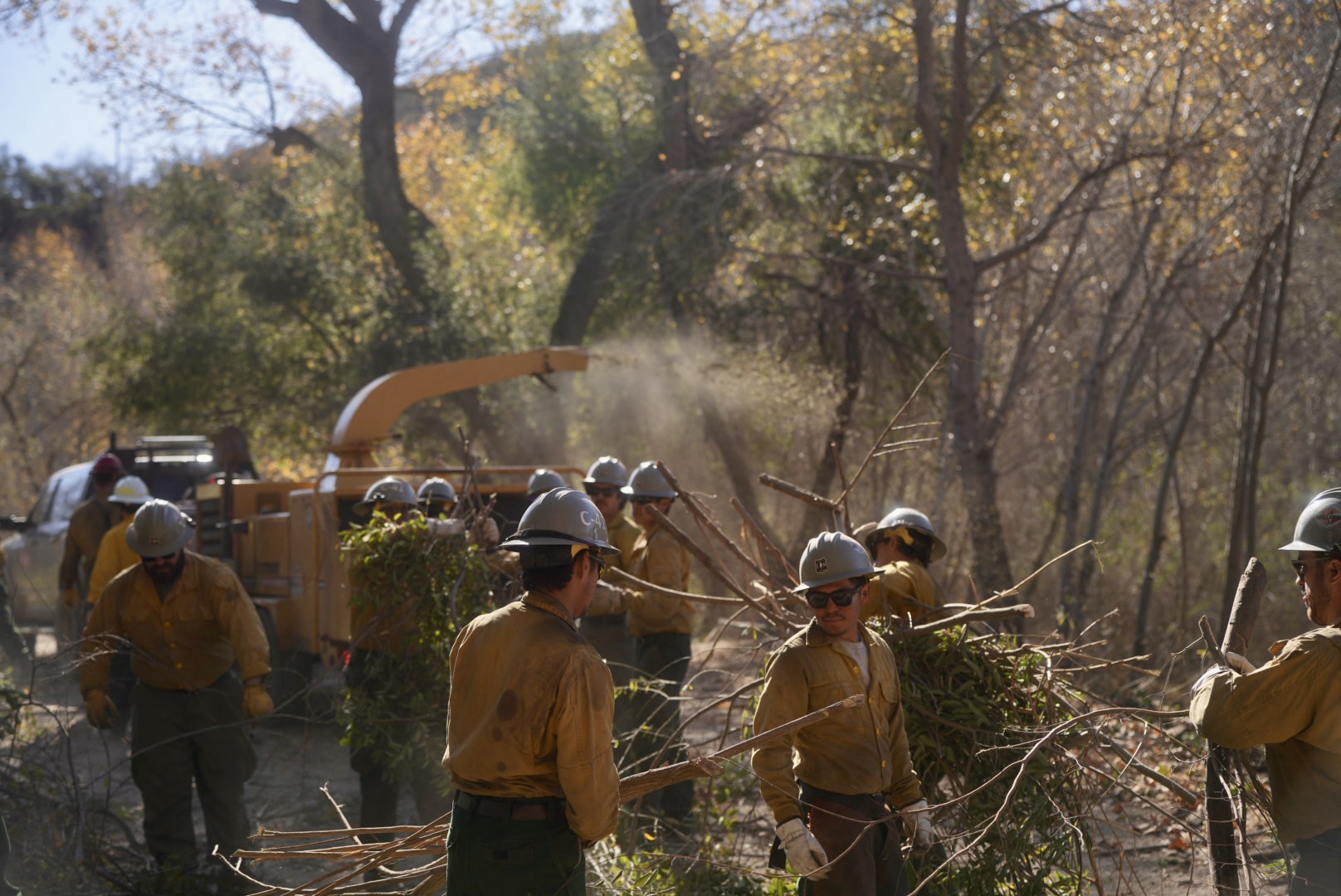

Background: Fuel breaks are a linear form of fuel modification designed to modify fire behaviour and facilitate management objectives such as suppression and asset protection.
Key Results: From an initial pool of 1,585 scientific journal articles, only six articles took an empirical, quantitative approach to assessing fuel break effectiveness at the regime scale.
Conclusions: The six selected studies suggest that fuel breaks can modify fire behaviour and support suppression efforts. However, this effectiveness depends on many factors including weather, fire behaviour, suppression resource availability, vegetation type and condition, and fuel break width, accessibility and maintenance. Importantly, fuel break performance declines substantially under extreme weather conditions.
Implications: More regime-scale empirical research is needed to support fuel break use for fire management across diverse fire regimes.