



Abstract
Fire is a defining feature of our biosphere, having appeared when the first plants colonized the land, and it continues to occur across the planet at different frequencies and intensities. Fire has been and remains as an evolutionary force in many plant and animal lineages and contributes to explaining the variability of our biodiversity. Fire has also shaped the structure of many ecosystems and the distribution of biomes, and it is an important contributor to the global biogeochemical cycles. In addition, fire has been a key factor in human evolution, and, in turn, humans have modified fire regimes with important consequences for the biosphere. Consequently, fire is an intrinsic factor on our planet. Our challenge now is to understand and predict the role of fire in a densely populated, highly technological world that imposes significant changes on the Earth.
Authors & Contributors


Related posts:
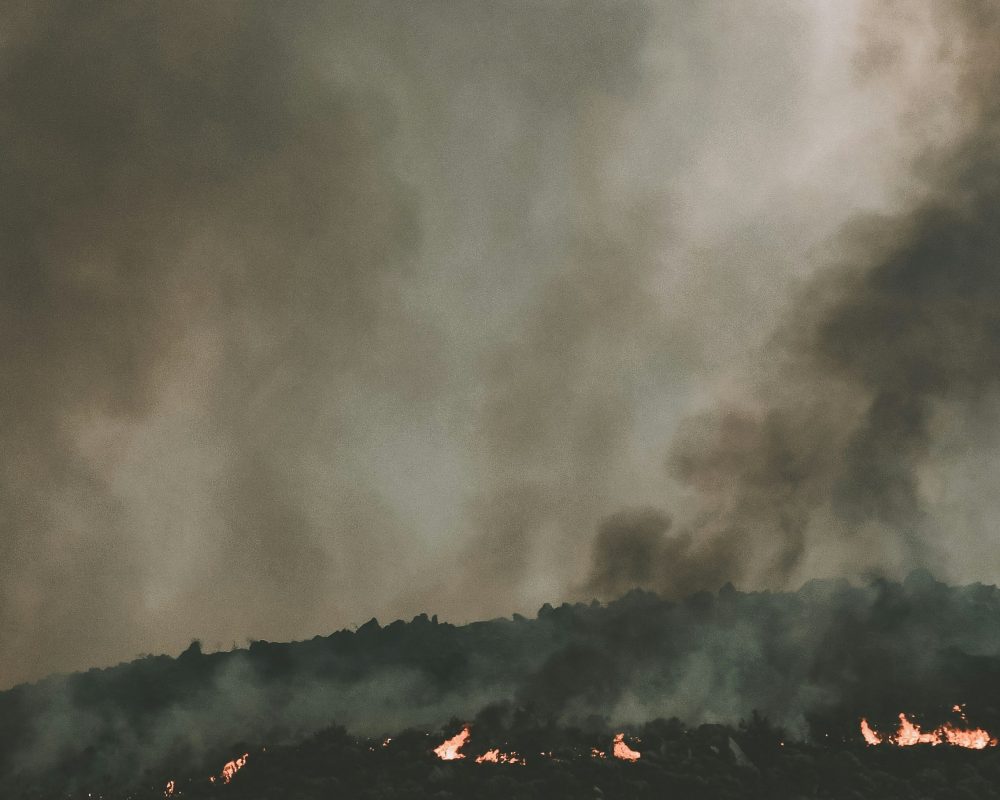 The path to strategic fire management planning in the Aran, Pyrenees
 Decolonizing wildfire risk management: indigenous responses to fire criminalization policies and increasingly flammable forest landscapes in Lomerío, Bolivia
 Conceptualizing a probabilistic risk and loss assessment framework for wildfires
 Road network connectivity explains wildfire probability in Southern Italy