



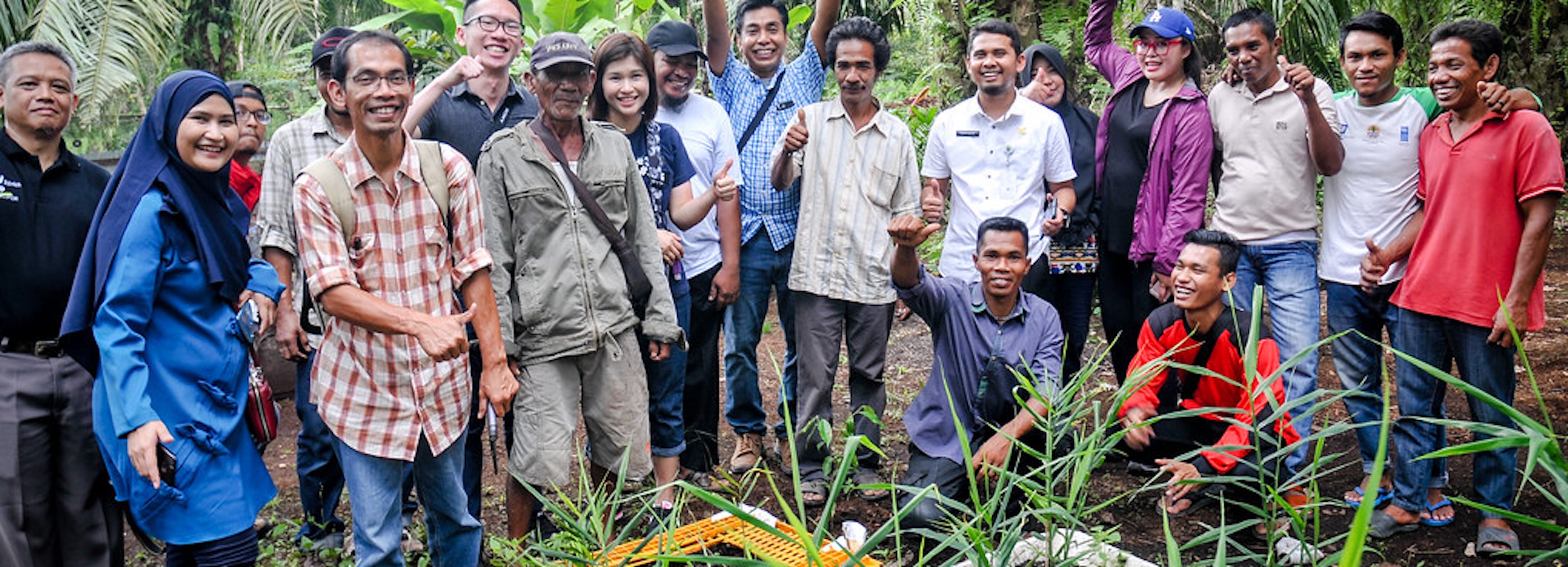

In the face of the climate and biodiversity crisis, global targets for the restoration of degraded lands have become ever more ambitious and urgent. Here we explain the case for placing justice at the heart of restoration practice. Although this is increasingly accepted, there is an unfortunate tendency to address justice in superficial ways, through tokenistic forms of participation and benefit sharing. We address this problem by classifying the different levels at which justice can be addressed and elaborating the level that restoration practice should aspire to if it is to be just and transformative.
Authors & Contributors

Related posts:
 The path to strategic fire management planning in the Aran, Pyrenees
 Road network connectivity explains wildfire probability in Southern Italy
 The 2023 Lahaina Conflagration
 Population Decline for Plants in the California Floristic Province: Does Demography or Geography Determine Climate Change Vulnerability?