


Natimuk, Australia, in Victoria’s Wimmera region, lies surrounded by open farmland. Grain and pulse crops had made way for stubble on the expansive paddocks. It’s a very different landscape from the forested ranges of Kinglake and Healesville, etched into people’s memories by the Black Saturday bushfires.
While the region is no stranger to grassfires, Natimuk itself has never burned.
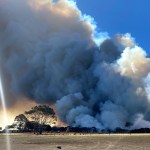
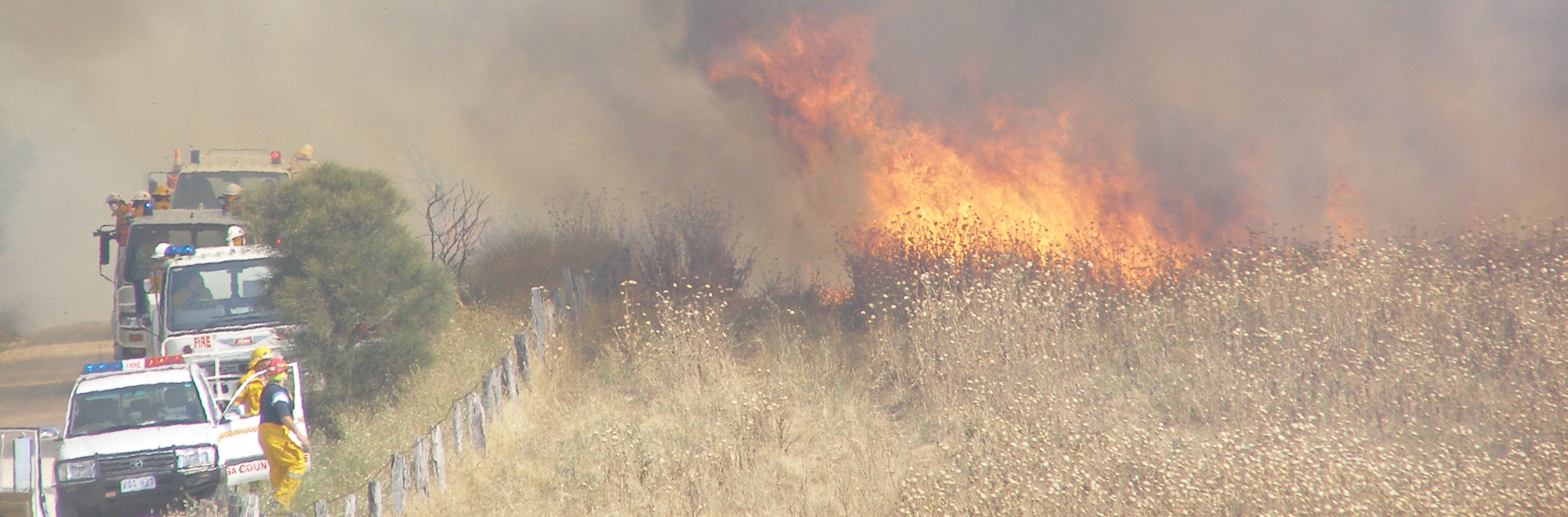
But on Friday, January 9, on the back of days of intense heat, a ferocious, fast-moving grass fire flattened 17 homes and tore through 8,000-hectares of land.
Fire scientist David Bowman says these conditions create some of the world’s most dangerous fire behaviour; preceding wet conditions, followed by dryness and topped off with a heatwave and strong winds.
“You can achieve these maximally destructive fires that are moving so fast and releasing the energy so quickly that they actually can burn beneath trees and they can burn straight into houses and into communities,” he says.
“They can jump over roads. They’re very, very frightening things. You’re dealing with some of the most dangerous fuels in wildland fire. There are stories of [them] outrunning vehicles.”
Authors & Contributors
Related posts:
 Why clearing the brush around Los Angeles won’t reduce the wildfire danger
 Broad coalition urges California Governor, legislative leaders and local elected officials to rebuild Los Angeles to country’s strongest building code
 A New Paradigm for Protecting Homes from Disastrous Fires
 Rain one minute, heatwave the next. How climate ‘whiplash’ drives unpredictable fire weather