




Wildland-urban interface fires have become one of the main socio-environmental threats in Chile , especially in the south-central region, where more than 90% of these events occur . Between 2014 and 2023, large fires tripled compared to the previous decade, exceeding 1.7 million hectares burned.
A policy brief prepared by Global Wildfire Collective Partner Institution Center for Climate Science and Resilience (CR2) warns of shortcomings in evacuation procedures during large urban-rural interface fires—those that occur where populated areas border vegetation, forests, or rural land. The document proposes an evidence-based strategy, including safe routes, more precise alerts, and community participation, to reduce the risk of loss of life.
To address this challenge, an interdisciplinary team of researchers led by Gabriela Azócar, Alejandro Miranda, Pablo Sarricolea, Ana María Ugarte, and Pilar Moraga—prepared the Policy Brief “Interface Fires and Evacuation: Towards an Evidence-Based Operational Framework ,” published by the Vice-Rectorate for Research and Development (VID).
Authors & Contributors

Related posts:
 Surviving in a hostile landscape: Nothofagus alessandrii remnant forests threatened by mega-fires and exotic pine invasion in the coastal range of central Chile
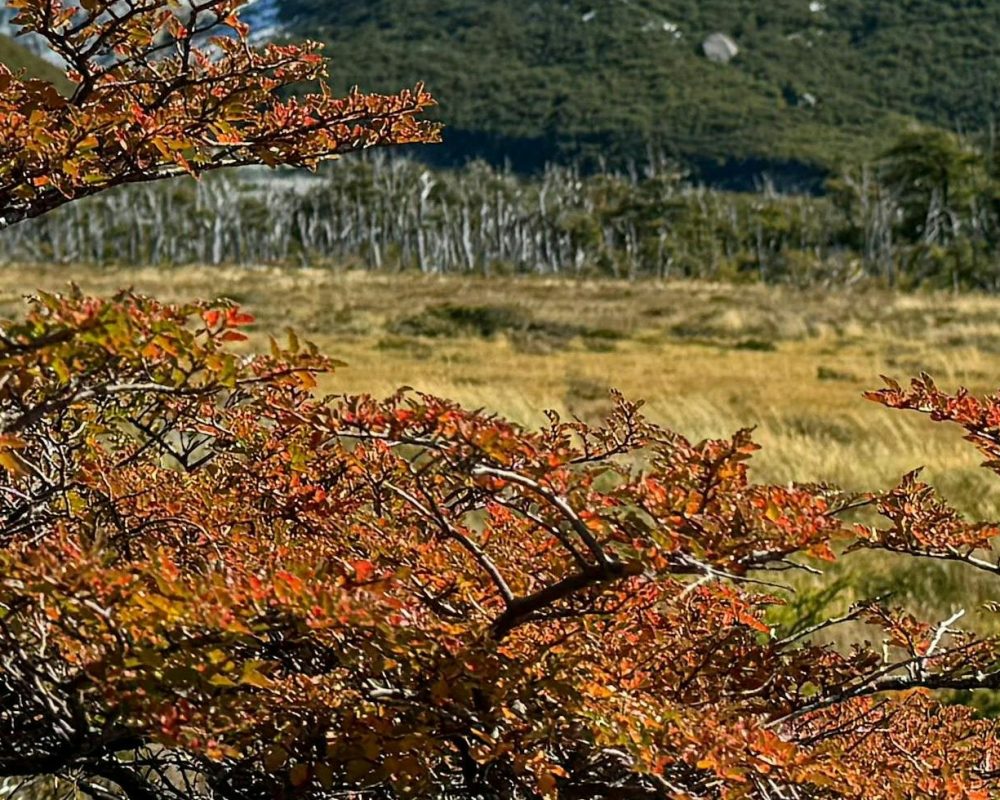 Exploration of large-scale vegetation transition in wet ecosystems: a comparison of conifer seedling abundance across burned vs. unburned forest-peatland ecotones in Western Patagonia
 In the right place at the right time: Microsite and sowing season drive post-fire restoration of an endangered conifer
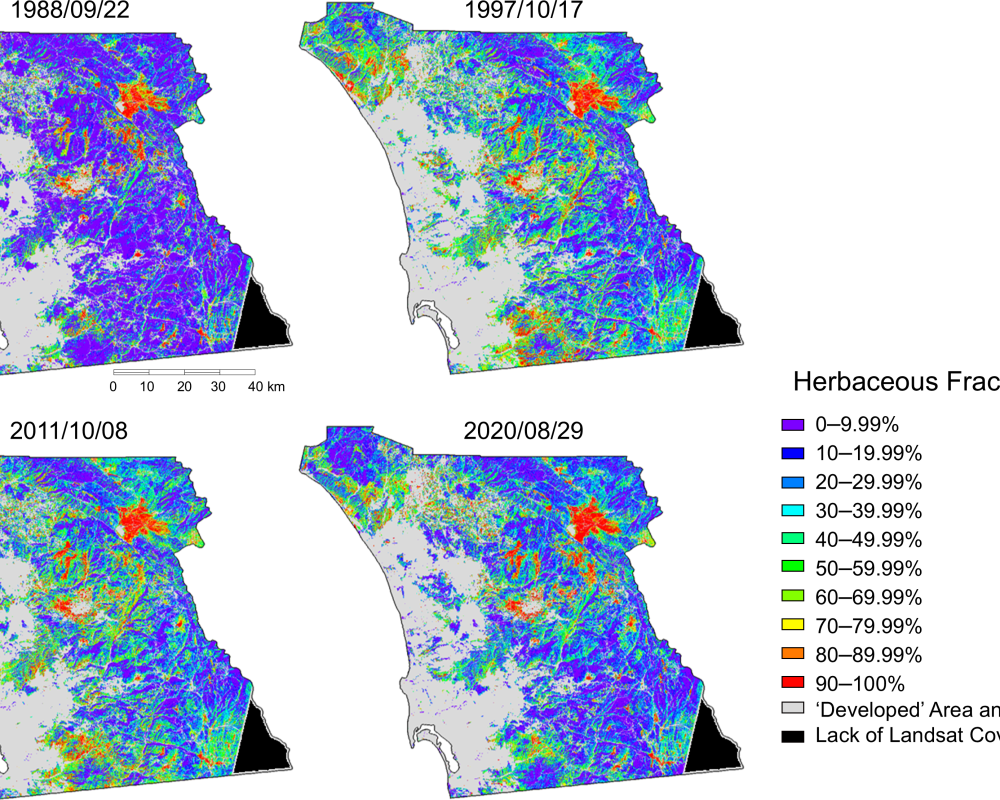 Association of herbaceous fractional cover and wildfire ignition in Mediterranean-type ecosystems