


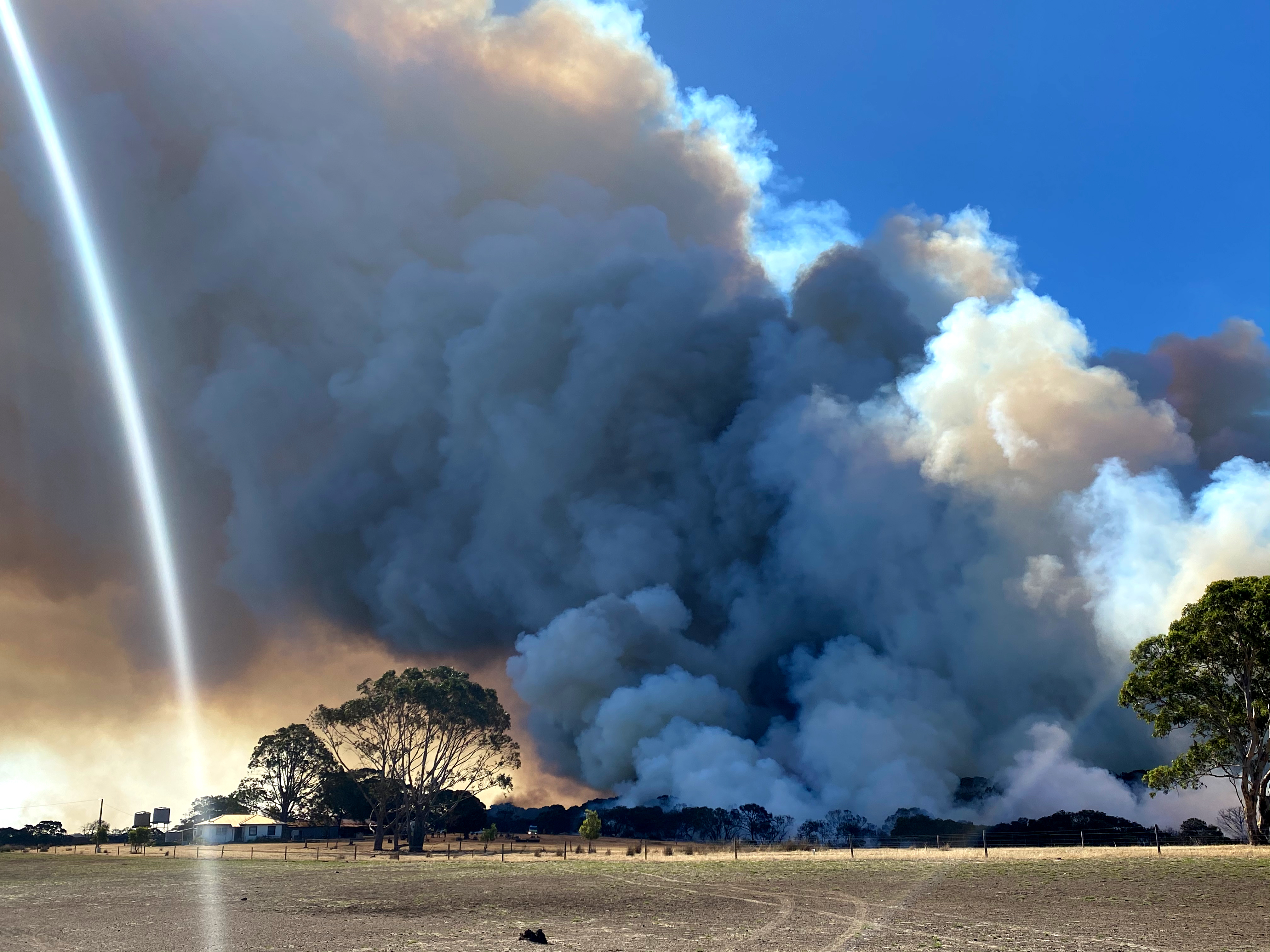

The Australian and New Zealand Council for Fire and Emergency Services (AFAC) has released its latest seasonal outlook, which shows an increased risk of fire in areas across all jurisdictions, except for the ACT, this spring. The widespread impact is due to dry conditions in the country’s east and increased fuel loads through parts of central and northern Australia.
A professor of pyrogeography and fire science at the University of Tasmania, David Bowman, said vegetation growth had been “prolific” in forests recovering from bushfires in 2019-20 and it would not take much for that to dry out.
“There’s a lot of water in the landscape, and that’s resulted in a lot of productivity, a lot of fuel,” he said.
“If we were to go into a summer under this El Niño where we had what we call flash droughts, which is really strong heatwaves, we can switch up landscapes into extraordinarily dangerous conditions.
“In eastern Tasmania, there’s been a very sustained drying trend. We have had water, but basically it won’t take much to nudge landscapes back into a deep drought.”
Authors & Contributors

Related posts:
 Why clearing the brush around Los Angeles won’t reduce the wildfire danger
 Broad coalition urges California Governor, legislative leaders and local elected officials to rebuild Los Angeles to country’s strongest building code
 A New Paradigm for Protecting Homes from Disastrous Fires
 Rain one minute, heatwave the next. How climate ‘whiplash’ drives unpredictable fire weather